
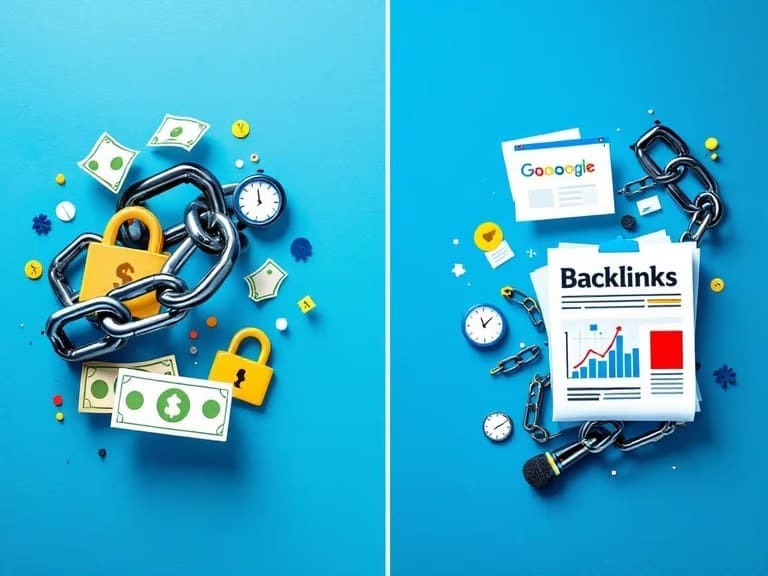
The Risks of Buying Backlinks
Buying backlinks still attracts brands that want faster rankings, stronger authority signals, and quicker SEO wins. The appeal looks simple. A website pays for a link, places keyword-rich anchor text, and expects rankings to move. Many vendors sell this as a shortcut to page-one visibility. Many agencies package it as a predictable tactic. Many founders see it as a direct trade: money for authority.
The reality is less reliable. Google has spent years improving its systems to detect manipulative linking patterns. Its spam policies treat link schemes as violations when links pass ranking value in exchange for money, products, or services. That rule covers many common forms of buying backlinks, including direct paid placements, niche edits, sponsored posts without proper disclosure signals, and private network placements designed to pass authority.
The main problem is not only compliance. The main problem is performance. Paid backlinks often fail to deliver lasting value. A brand may pay for links on sites with inflated metrics, weak traffic, or thin editorial standards. A vendor may promise relevance and authority, yet the placement sits on a page built only to sell outbound links. Search engines can evaluate patterns like that at scale.
Digital PR Backlinks offer a different path. They come from editorial coverage, expert commentary, data stories, and journalist outreach. They are harder to earn, yet they tend to create stronger trust signals. Search engines value signals tied to genuine editorial judgment. That is why many modern SEO teams treat Digital PR Backlinks as part of white hat link building and as one of the strongest backlink alternatives to buying backlinks.
Buying backlinks also creates a control problem. The buyer does not fully control the future of the placement. The linking site can remove the link, change the page, sell more paid backlinks on the same URL, or disappear entirely. A link that looks valuable during purchase can lose value fast. A brand may spend thousands on placements that never create stable ranking gains.
Paid backlinks can also distort decision-making inside a company. Teams start measuring success by link volume instead of authority, relevance, and trust. That weakens long-term SEO strategy. Digital PR Backlinks push teams toward expert positioning, stronger stories, proprietary data, and brand credibility. Those assets support rankings beyond links alone.
Risk 1: Google Ignores Your Paid Links
Google does not need to issue a manual action to make paid backlinks ineffective. It can simply discount them. That means the link exists on the page, but little or no ranking value passes through it. The buyer still pays. The placement still appears in the report. The expected SEO benefit never arrives.
This risk is common because many paid backlinks leave detectable signals. A site may publish outbound links across unrelated industries. It may use commercial anchor text too often. It may host shallow articles built for placement sales rather than readers. It may have traffic patterns that do not match its authority metrics. It may show obvious sponsorship footprints without proper handling. Those signals make evaluation easier for search engines.
A SaaS company, for example, may buy backlinks from several “business” blogs with decent authority scores. The vendor reports quick wins. Three months later, rankings remain flat. The links indexed, yet they did not move priority pages. That outcome often means Google saw little reason to trust those links as editorial endorsements.
Ignored paid backlinks waste budget and time. They also create false confidence. A team may believe it is building authority while it is only building a spreadsheet of placements. That money could support research-led campaigns, expert quote outreach, and Digital PR Backlinks that attract real attention from journalists and niche publications.
White hat link building usually performs better over time because it aligns with how search engines assess credibility. Strong backlink alternatives focus on earning mentions from publications that choose to cite a source based on expertise or usefulness. Digital PR Backlinks fit that model. They are not guaranteed, but they are less likely to be algorithmically discounted when they come from legitimate editorial decisions.
Risk 2: Google Penalizes Your Website
The harsher risk is a penalty. Google can respond to manipulative buying backlinks with manual actions or algorithmic suppression. A manual action may require cleanup, documentation, reconsideration requests, and months of recovery work. An algorithmic issue may be less visible, yet rankings can still decline across key pages.
Penalties hurt more than rankings. They damage forecasting, traffic stability, lead generation, and executive trust in SEO. A brand that depends on organic search can lose revenue during cleanup. Teams then face link audits, disavow discussions, outreach to remove paid backlinks, and internal pressure to explain why the strategy backfired.
Penalty risk rises when paid backlinks show clear patterns. Exact-match anchors across many domains create one signal. Links from unrelated sites create another. Repeated use of niche edits on old posts can look unnatural. Large volumes purchased in short periods can raise more concerns. Search engines do not need every link to be manipulative. They only need enough evidence to question the pattern.
A common scenario involves an agency that promises fast authority growth through paid backlinks. The campaign uses dozens of placements on sites that sell links openly. Rankings improve for a short period. A later update reduces visibility. The brand then learns that fast gains built on weak trust signals rarely last.
Digital PR Backlinks reduce this exposure because they rely on editorial merit. A journalist includes a quote, references original research, or cites a company spokesperson. The brand earns the mention through useful input rather than payment for ranking value. That does not make every media link equal, yet it creates a much safer profile than aggressive link buying.
Brands looking for backlink alternatives should think beyond fear of penalties. They should think about resilience. White hat link building supports durable authority. Digital PR Backlinks often send referral traffic, build brand recognition, and improve credibility with customers as well as search engines. Paid backlinks rarely deliver that broader value.
Why Do People Still Buy Backlinks?
People still buy backlinks because the tactic appears faster, easier to model, and easier to outsource. A vendor can quote a price, show domain metrics, and promise delivery dates. Digital PR Backlinks require story development, outreach, expert positioning, and patience. Many teams under deadline pressure choose the path that looks more immediate.
Some buyers also believe everyone does it. That belief persists because paid backlinks remain common in competitive industries. Agencies, affiliates, and in-house teams may use them quietly. Search visibility in tough verticals can make clean strategies feel too slow. That pressure keeps the market active.
Metrics also influence demand. Buyers often rely on domain authority-style scores, link counts, and anchor text targets. Those numbers make paid backlinks easy to package. A seller can turn SEO into a product catalog. Digital PR Backlinks are less predictable on paper, even though they often produce stronger trust and authority in practice.
Another reason is misunderstanding. Some teams treat all links as equal. They see a backlink as a backlink. Search engines do not. Source quality, editorial intent, topical fit, traffic signals, and placement context all matter. A paid backlink on a weak site may look similar in a report, yet it does not perform like a genuine editorial mention from a respected publication.
Budget structure matters too. A founder may approve a fixed spend for buying backlinks because the output looks tangible. Ten links for a set price sounds concrete. Digital PR Backlinks involve campaign work, media targeting, quote pitching, and response management. The process feels less certain to buyers who want guaranteed deliverables.
That mindset often changes after poor results. Teams learn that bought links can disappear, get ignored, or trigger risk. They then look for backlink alternatives that create real authority. Digital PR Backlinks stand out because they support rankings, reputation, and brand visibility together. Smart SEO teams do not only chase links. They build trust signals that search engines can validate over time.
Buying backlinks survives because it sells speed. Digital PR Backlinks win because they build authority that lasts. For brands that care about sustainable SEO, white hat link building offers stronger long-term economics than a stack of paid backlinks with uncertain value.
How to Buy Backlinks the Right Way:
Avoid Cheap, Spammy Link-Building Services
Brands that start buying backlinks often make the same mistake. They choose the lowest price and expect authority. That decision usually leads to paid backlinks on weak domains, recycled guest post farms, private blog networks, and pages built only to sell links. Those placements rarely support durable rankings. They often create risk, waste budget, and leave a visible footprint.
Cheap link-building services usually sell volume, not quality. They promise dozens or hundreds of links in a short period. They place links on websites with thin content, unclear ownership, weak traffic patterns, and no real audience. Many of those sites exist only for outbound links. Search engines evaluate those signals. SEO teams should do the same.
A responsible buyer checks the site before any deal. They review organic traffic trends, topic relevance, publishing standards, outbound link behavior, and whether the site has real readers. They also check if the site covers one niche or publishes random content across finance, health, SaaS, crypto, gambling, and home improvement in the same week. That pattern often signals a link seller, not a trusted publisher.
Digital PR Backlinks set a higher benchmark. They usually come from editorial review, journalist sourcing, expert commentary, or data-driven coverage. That contrast matters because it shows why low-cost link packages fail. A cheap paid link may exist on a live page, but that alone does not make it valuable. Search value comes from trust, context, relevance, and editorial integrity.
Teams that still consider buying backlinks should reject any vendor that cannot show placement standards, sample websites, outreach methods, or traffic evidence. They should avoid guaranteed Domain Rating promises, instant delivery, and vague reports. Those signals usually point to spam at scale.
Focus on High-Authority, Relevant Websites
Authority without relevance has limits. Relevance without authority has limits too. The right paid backlinks sit on websites that have both. That means a SaaS company should look for placements on software, marketing, business, analytics, or startup publications with strong editorial signals. A cybersecurity brand should avoid generic blogs that publish every topic under the sun.
High-authority websites tend to have stronger trust indicators. They attract organic traffic. They earn branded searches. They publish original work. They maintain editorial standards. They receive citations and mentions from other respected sources. A backlink from that kind of site carries more weight than several links from weak domains.
Buying backlinks the right way means treating every placement like a media investment. The buyer should ask whether the website has a real reputation in its niche. They should review author profiles, page indexing, content depth, and whether the publication ranks for its own target topics. They should also check if the site openly labels sponsored content. Transparency is not a problem by itself. Poor quality is the problem.
Digital PR Backlinks often outperform bought placements because they naturally land on authoritative and relevant sites. Journalists, editors, and publishers tend to use expert sources that fit the topic. That editorial alignment creates stronger topical signals. Brands that understand this often use white hat link building and backlink alternatives as the foundation, then evaluate selective paid placements only where the site quality clearly supports the investment.
A useful standard is simple. If the site would still be attractive without the backlink, it may be worth considering. If the site has no audience, no search visibility, and no brand value, the backlink has little strategic value.
Ensure Natural Placement and Contextual Relevance
The link itself matters less than many buyers think. The context around the link matters more. Search engines evaluate the surrounding copy, the topic of the page, the relationship between the linked page and the referring page, and whether the placement feels editorial or forced. A paid backlink placed into unrelated text often looks manipulative. A citation placed inside a relevant paragraph on a topic-aligned page looks stronger.
Natural placement starts with page fit. The referring article should cover a subject that connects directly to the target page. The anchor text should read naturally. It should not look stuffed with exact-match keywords. Over-optimized anchors remain one of the clearest patterns in bad link buying campaigns. A healthy approach uses brand anchors, URL anchors, partial-match anchors, and plain-language references.
Contextual relevance also improves referral value. Readers are more likely to click when the mention helps them understand the topic. That creates engagement signals and real audience exposure. Many Digital PR Backlinks work well for this reason. They appear as part of a journalist’s story, a data citation, or an expert comment that adds value to the article.
Brands that are buying backlinks should avoid sidebar links, footer links, author bio links with no page relevance, and insertions into old posts that have no topical match. Niche edits can work in some cases, but only when the article genuinely matches the target page and the edit improves the reader experience. If the edit looks bolted on, it creates risk and weakens value.
The safest way to judge natural placement is to read the article out loud. If the mention feels awkward, sales-driven, or unrelated, the placement is weak. If the sentence adds useful support, the link has a better chance of helping SEO.
Be Prepared to Pay for Quality
Quality links are not cheap. Reputable publishers charge more for sponsored placements. Experienced outreach teams charge more for prospecting and relationship work. Editorial standards take time. Real websites protect their reputation. A serious buyer should expect that cost.
Low budgets often push brands toward bad inventory. They end up with paid backlinks on inflated metrics, expired domains, or websites that sell placements to anyone with a credit card. That pattern creates short-term activity, not long-term authority. Smart buyers understand that one strong placement can outperform many weak ones.
Paying more does not guarantee results. It simply opens access to better opportunities. The buyer still needs vetting, topic fit, traffic checks, and placement review. They should compare the expected SEO value against white hat link building and backlink alternatives such as Digital PR Backlinks, expert quote outreach, journalist requests, original research campaigns, and data-led content promotion.
That comparison matters in 2026 because search performance relies more on trust and brand credibility than raw link volume. A company may spend heavily on buying backlinks and still lose to a competitor that earns fewer but stronger editorial mentions. The market has become more selective. Search engines have become better at recognizing patterns. Buyers should act with that reality in mind.
Brands that insist on paid placements should build a strict cost framework. They should estimate placement value using authority, relevance, traffic potential, editorial quality, and ranking support for the target page. If a paid link cannot meet those standards, the money may be better spent on campaigns that generate Digital PR Backlinks at scale.
Diversify Your Link Profile
No brand should rely only on bought links. A narrow backlink profile creates obvious patterns. It also limits authority growth. Search engines expect a natural mix of citations, editorial mentions, branded references, resource links, homepage links, deep-page links, follow links, and nofollow links. Diversity supports credibility.
A strong profile includes several acquisition methods. Some brands use selective sponsored placements on trusted niche sites. They also invest in Digital PR Backlinks through journalist outreach, expert commentary, proprietary data, and reactive media opportunities. That blend reduces dependency on one tactic and improves durability.
Diversification also applies to link targets. Brands should not point every link at commercial pages with aggressive anchor text. They should earn links to research pages, blog content, category pages, tools, studies, and brand pages. That distribution looks more natural and supports broader ranking strength.
Anchor text variety matters too. So does referring domain variety. So does publication type. An effective link profile may include industry blogs, news websites, trade publications, podcasts with linked show notes, resource pages, and editorial features. Digital PR Backlinks help expand that mix because they often come from publications that a paid outreach list would never unlock.
Smart brands do not just acquire links. They earn authority. That is why buying backlinks should stay limited, selective, and carefully reviewed. It can play a tactical role for some campaigns. It should never become the entire strategy. Long-term SEO strength usually comes from a broader system built on trust, expertise, and sustained visibility. Digital PR Backlinks remain one of the strongest ways to create that system because they support rankings, brand reputation, and authority at the same time.
Alternatives to Buying Backlinks
Brands that want search visibility in 2026 have more options than buying backlinks. Many SEO teams still look at paid backlinks, niche edits, and sponsored placements because those tactics appear fast. Search performance depends on trust, relevance, editorial standards, and brand signals. Strong backlink alternatives give a site a safer path to authority growth. Digital PR Backlinks stand out because they come from earned coverage, expert commentary, data stories, and newsworthy content that publications choose to reference.
White hat link building gives companies a method to build rankings without the common risks tied to paid links. Search engines have become better at identifying unnatural patterns, weak placement quality, and obvious link footprints. A business that invests in backlink alternatives can improve authority while also building referral traffic, reputation, and branded search demand. That wider impact matters more than a raw link count.
Digital PR Backlinks represent one of the strongest alternatives to buying backlinks. A company can earn links from media outlets, industry blogs, trade publications, podcasts, newsletters, and resource pages through credible stories and useful expertise. These are editorial links. They exist because an editor, journalist, or publisher decided the source added value. That decision gives the link more weight in many SEO strategies because it aligns with how search engines evaluate trust and authority.
Journalist request platforms are a practical route for earning Digital PR Backlinks. A founder, SEO lead, or subject matter expert can respond to media requests with short, relevant quotes. A journalist may include that quote in an article and link back to the company site or the expert profile page. This tactic works well for SaaS brands, agencies, e-commerce companies, and consultants with clear expertise. It also supports entity building because the brand name appears in credible editorial environments.
Data-driven campaigns offer another reliable option. A company can publish original research, internal statistics, market surveys, or trend analysis. Journalists often need fresh numbers. Bloggers need credible sources. Analysts need updated references. A strong dataset can attract Digital PR Backlinks over time without the repeated cost of paid placements. One well-structured report may earn dozens of links across multiple months. That makes the asset more scalable than many buying backlinks campaigns that require payment for each placement.
Expert-led thought leadership is another effective path. A company executive can publish opinion pieces, commentary on industry shifts, and practical guidance based on direct experience. Editors and writers often need informed perspectives for topics such as AI adoption, cybersecurity, remote work, B2B sales trends, or consumer behavior. A well-positioned expert quote can earn mentions from authoritative websites. This type of coverage creates trust beyond SEO metrics. It shows that real people recognize the brand as a source.
Resource link building remains useful when executed with quality standards. Many websites maintain curated pages with tools, studies, templates, glossaries, and educational resources. A company can create genuinely useful content and pitch it to relevant publishers. This strategy fits white hat link building because the value comes first. The link is a reference, not a transaction. These placements may not have the news appeal of Digital PR Backlinks, though they can support topical relevance and long-term traffic.
Partnership-based link earning also serves as a strong alternative to buying backlinks. Software companies can collaborate on joint webinars, co-authored reports, case studies, or integration pages. Agencies can work with clients on public success stories. Nonprofits can receive links from sponsors and event partners. Universities can reference scholarship pages or research contributions. These links often carry context and relevance, which makes them more defensible than many paid backlinks.
Reactive PR has become more important as news cycles move faster. Brands can monitor trending stories and offer expert responses quickly. A cybersecurity company may comment on a major data breach. A logistics platform may explain supply chain disruptions. A fintech brand may explain payment trends after a regulatory update. Quick, informed commentary can generate Digital PR Backlinks from publishers that need credible input on deadline. Speed matters. Accuracy matters more.
Owned assets can attract natural links when they solve a real problem. Calculators, free tools, templates, directories, benchmark reports, and visual explainers all work as backlink alternatives. A payroll calculator may earn links from HR blogs. A carbon footprint tool may earn links from sustainability sites. A pricing benchmark study may earn links from B2B software reviewers. The asset needs utility, accuracy, and clear presentation. Linkable assets support SEO because they create reasons to cite the brand.
Unlinked brand mention reclamation is another efficient method. Media outlets and blogs often mention a company without linking to it. SEO teams can find those mentions and request a link addition. This approach does not create a new story. It improves an existing reference. The success rate can be strong when the mention already includes the brand, product, or founder. It is often more efficient than cold outreach for random paid backlinks with uncertain quality.
Community and association visibility can produce highly relevant links. A company can join trade groups, local chambers, standards bodies, startup networks, and professional associations. Many of these organizations list members, partners, speakers, or contributors. These links may not drive dramatic ranking jumps on their own. They support trust, local relevance, and legitimacy. They also diversify the link profile, which helps reduce overreliance on any single tactic.
The strongest strategy often combines several backlink alternatives. Digital PR Backlinks can anchor authority growth. Resource outreach can support topical pages. Linkable assets can attract passive mentions. Mention reclamation can capture missed value. Partner pages can reinforce relevance. This mix gives an SEO program durability. It also reduces the risk that comes from treating buying backlinks as the main growth engine.
A simple decision framework helps teams choose the right path:
- Need authority and brand trust: prioritize Digital PR Backlinks and expert commentary outreach.
- Need links to commercial pages: use resource creation, partner collaborations, and mention reclamation.
- Need scalable assets: build tools, reports, and original research that publishers want to cite.
- Need low-risk growth: focus on white hat link building with editorial standards and clear relevance.
- Need long-term ROI: choose backlink alternatives that create traffic, visibility, and reputation at the same time.
An example shows the difference clearly. A SaaS company spends budget on buying backlinks through niche edits on generic blogs. The links go live fast. Rankings improve slightly for a few weeks. Several placements later lose value because the sites publish thin content and sell links at scale. The same budget used for a survey report, journalist outreach, and expert quote pitching could earn Digital PR Backlinks from software publications, business sites, and niche newsletters. Those links carry stronger editorial signals and produce brand exposure along with SEO value.
Another example applies to e-commerce. A retailer can pay for sponsored posts on unrelated blogs, or it can publish seasonal shopping trend data and pitch journalists covering retail behavior. The second option may take more planning. It gives the brand a stronger chance of earning Digital PR Backlinks that improve both authority and public visibility. The earned coverage can also be reused in sales materials, investor decks, and social proof.
Search performance in 2026 rewards credibility more than shortcuts. Backlink alternatives work best when they align with real expertise, useful content, and editorial merit. Smart brands do not just chase links. They build reasons for trusted websites to reference them. Digital PR Backlinks fit that standard better than most purchased placements. For companies that want rankings with staying power, they remain one of the strongest alternatives to buying backlinks.
How PressPulse Uses AI to Secure High-Quality Backlinks
PressPulse uses AI to help brands earn Digital PR Backlinks through a repeatable outreach system. The platform focuses on relevance, editorial fit, and publisher trust. That approach supports white hat link building and reduces the risks tied to buying backlinks or paid backlinks. Search engines place more value on links that come from real coverage, expert commentary, and useful data. PressPulse aligns with that standard.
The platform collects brand information, topic expertise, audience focus, and media goals. It then matches that data with outreach opportunities that fit the brand. This process gives teams a clear path to Digital PR Backlinks from publications that already have authority in a niche. A SaaS company can target software reporters. A health brand can target wellness editors. A finance startup can target business writers. The result is a stronger chance of earning links that support rankings and brand trust.
PressPulse also improves consistency. Manual outreach often breaks down because teams miss deadlines, use weak pitches, or target the wrong journalists. AI fixes much of that operational waste. It identifies patterns in successful pitches, suggests better subject lines, and highlights the details that matter to reporters. That makes Digital PR Backlinks more scalable than many backlink alternatives that rely on bulk placements or private link networks.
Quality control is another advantage. Bought links may appear fast, yet they often come from pages built to sell placements. Those pages can have weak traffic, poor editorial standards, and obvious outbound link patterns. PressPulse filters for stronger opportunities. It favors publications with real audiences, real editorial processes, and topical alignment. That makes each earned link more valuable from an SEO standpoint and more credible from a brand standpoint.
Teams also gain better reporting. PressPulse tracks pitch performance, response rates, placement trends, and link outcomes. This helps marketers see which stories attract coverage and which angles need work. Data from earned media gives them a foundation for future campaigns. That feedback loop is difficult to achieve with paid backlinks because the value often ends at placement. Digital PR Backlinks create both SEO value and market insight.
Automating Outreach with AI
AI outreach automation helps PressPulse move faster without lowering standards. The system can draft personalized pitches based on publication type, journalist history, topic relevance, and brand expertise. It does not rely on generic templates alone. It uses structured inputs and performance data to create messages that fit the request and the reporter’s beat. That raises the odds of a response and supports steady growth in Digital PR Backlinks.
Automation also helps with timing. Journalists work on tight deadlines. A slow reply can cost a valuable placement. PressPulse monitors opportunities in real time and helps users respond quickly. That speed matters for journalist requests, trend stories, product commentary, and data-driven news. Fast, relevant responses can win links from authoritative sites that many brands fail to reach through manual outreach.
The platform can segment outreach by intent. Some opportunities call for expert quotes. Others need original statistics, product insights, or case study input. PressPulse identifies the best format for each request. This improves message quality and keeps outreach aligned with editorial expectations. Strong alignment is a major reason Digital PR Backlinks often outperform buying backlinks in long-term authority building.
AI also reduces human error in prospecting. A marketer may chase a site with strong metrics but weak relevance. PressPulse evaluates topical fit and likely editorial acceptance before the pitch goes out. That keeps campaigns focused on links that make sense for both users and search engines. Relevance is a critical trust signal. A highly relevant backlink from a respected publication can outperform several paid backlinks from unrelated sites.
Follow-up management is another area where automation helps. Many media wins come from polite and timely follow-ups. PressPulse schedules those touches based on journalist behavior and prior campaign data. This avoids spam while preserving momentum. The process is efficient, measurable, and easier to scale across many campaigns. For brands seeking backlink alternatives with lower risk, AI-assisted digital PR offers a more durable system.
Leveraging HARO for Authoritative Links
HARO-style journalist request platforms remain useful for earning authoritative backlinks. Reporters ask for expert input. Brands provide concise, credible answers. Strong responses can lead to mentions and links from news sites, trade publications, and niche authority blogs. PressPulse helps users manage that process with speed and precision, which is essential for winning Digital PR Backlinks from competitive media opportunities.
Success with journalist requests depends on answer quality. Reporters want direct insight, not sales language. PressPulse supports this by shaping responses around expertise, evidence, and clarity. It can suggest stronger framing, remove filler, and surface credentials that matter to the journalist. That gives brands a better chance to earn editorial links instead of relying on paid backlinks that may offer little trust value.
Authority matters in HARO-style outreach. A founder with product experience, a strategist with campaign data, or a specialist with industry knowledge can all become strong sources. PressPulse helps package that expertise into usable quotes. It can also match experts within a company to the right requests. This creates more opportunities for Digital PR Backlinks because the pitch reflects real experience and a clear point of view.
Journalist request platforms also support link diversity. A brand can earn links from national publications, sector blogs, local media, and B2B resources through one workflow. That diversity is healthier than a footprint built from repeated sponsored placements. Search visibility improves when a backlink profile shows editorial variety, topical consistency, and authentic brand mentions. PressPulse helps create that profile through organized HARO-style pitching.
Many teams struggle with volume. They either answer too many low-fit requests or miss the best ones. PressPulse solves that with filtering and prioritization. It scores opportunities by relevance, authority potential, and response likelihood. That lets marketers focus on high-value targets. In practical terms, this means fewer wasted hours and more Digital PR Backlinks that support rankings, referral traffic, and credibility.
The Synergy Between PressPulse and HARO
PressPulse and HARO-style outreach work best together because each strengthens the other. PressPulse provides the AI layer for discovery, prioritization, drafting, and follow-up. Journalist request platforms provide direct access to active media demand. This combination creates an efficient path to Digital PR Backlinks from trusted publications. It is a modern alternative to buying backlinks for brands that want authority without compliance risk.
The synergy starts with opportunity selection. PressPulse can detect which requests match a brand’s expertise and SEO goals. A cybersecurity company may focus on data breach commentary. A martech platform may target articles on attribution, automation, or analytics. That precision improves acceptance rates and helps the brand earn links that reinforce topic authority. Search engines reward that kind of consistency.
The next benefit is response quality at scale. HARO-style outreach can become chaotic when many requests arrive each day. PressPulse turns that volume into a structured workflow. It creates drafts, highlights facts that need support, and keeps messaging concise. Teams can move fast while protecting accuracy. That matters for trust. Strong Digital PR Backlinks come from reliable contributions, not rushed claims.
This model also produces compounding returns. One published quote can lead to future journalist outreach, podcast invitations, newsletter mentions, and additional editorial links. Paid backlinks rarely create that effect. A bought placement may sit on a low-engagement page and deliver little beyond a temporary link signal. PressPulse helps brands build media relationships that expand over time, which makes digital PR a stronger authority engine.
PressPulse supports strategic learning as well. It shows which topics win coverage, which spokespeople perform best, and which publications respond most often. Teams can use those insights to refine content, PR, and SEO plans. This creates a stronger system for earning Digital PR Backlinks month after month. For brands comparing white hat link building with paid backlinks, that system offers better long-term value, lower risk, and clearer brand credibility.
Smart brands do not just chase links. They build proof, visibility, and trust through earned media. PressPulse gives them the AI support to do that with speed and discipline. HARO-style outreach gives them access to journalists who need expert input now. Together, they create a practical route to Digital PR Backlinks that can outperform many backlink alternatives in both SEO strength and brand authority.
Conclusion: Should You Buy Backlinks?
Most brands should not buy backlinks as a primary SEO strategy in 2026. The short-term appeal is easy to understand. Buying backlinks can look faster, simpler, and more controllable than outreach. A team can place paid backlinks on sites that appear relevant, then watch rankings move for a period of time. That result creates false confidence. It does not guarantee durable authority.
Search performance depends on more than link volume. It depends on trust, editorial relevance, topical fit, brand signals, and the ability to keep earning attention over time. Digital PR Backlinks support that broader goal better than purchased placements. They come from real editorial interest, real expertise, and real stories that publishers choose to cover. That makes them more aligned with white hat link building and more useful for brands that care about stable growth.
Buying backlinks also carries a structural problem. The market for paid backlinks is crowded with weak inventory. Many placements sit on sites built to sell links, not to serve readers. Those pages often lack audience reach, brand trust, and editorial standards. A company may pay for niche edits, sponsored placements, or direct paid links, then discover that the referring domains add little business value. Rankings may improve for a limited window. The authority behind those links often stays shallow.
Digital PR Backlinks create a different outcome. They place a brand inside relevant conversations across media, industry publications, and expert-led stories. A founder quoted in a cybersecurity trend article earns more than a link. They gain trust, topic association, and visibility with both search engines and potential buyers. A SaaS company mentioned in a data-backed report can attract branded searches, referral traffic, and follow-on links from other writers. That compounding effect is hard to reproduce with buying backlinks.
The decision becomes clearer when risk is part of the analysis. Paid backlinks can violate search engine guidelines when they pass ranking value without proper disclosure or attributes. That exposure creates uncertainty for agencies, in-house teams, and founders who need predictable outcomes. A link profile built on purchased placements can leave patterns. Repeated anchor text, overlapping networks, low-quality sponsored pages, and unnatural placement timing can all reduce the long-term value of the spend. A company may not see a formal penalty. It can still face suppressed performance, lost trust, or links that stop helping.
Digital PR Backlinks do require more work. They need research, story development, expert positioning, and relationship-based pitching. They are not instant. They are often more scalable than people assume. A strong campaign can earn several authoritative mentions from one insight, one dataset, or one expert source. Journalist requests and expert quote pitching make that process more repeatable. They help brands match internal knowledge to live media demand. That system turns expertise into editorial coverage. It also supports backlink alternatives that strengthen visibility without relying on risky paid placements.
Authority builds faster under different definitions of speed. Buying backlinks may move faster on a spreadsheet. A vendor can secure a placement within days. That is operational speed. Digital PR Backlinks often build authority faster in the way that matters most: durable rankings, trust signals, and branded credibility. A single earned mention on a respected publication can outperform multiple paid backlinks from mediocre sites. The impact may arrive through several channels at once, including referral traffic, assisted conversions, and stronger category recognition.
There are edge cases where companies still choose buying backlinks. A highly competitive niche, aggressive targets, and pressure for short-term movement can push teams toward paid backlinks. That choice does not make the strategy wise. It means the team values immediate movement over durable trust. Even then, many brands would gain more from investing that same budget into expert commentary, proprietary data, and a process that consistently earns Digital PR Backlinks. Smart brands don’t just acquire links — they earn authority. That principle remains more persuasive in 2026, when search engines evaluate quality with greater nuance and users expect evidence of real expertise.
The practical answer is simple. A brand should avoid buying backlinks as its core plan. It should treat white hat link building and Digital PR Backlinks as the stronger path for sustainable SEO. That approach protects reputation, supports stronger authority, and creates assets that continue to earn attention after the first placement. A company that wants safer growth should invest in stories worth covering, experts worth quoting, and campaigns built for editorial trust. That is the better long-term alternative to buying backlinks. That is also the stronger foundation for rankings that last.
Teams that need a decision framework can use one standard: if the link would have value only because it exists, the placement is weak. If the mention has value because a real publication chose to feature the brand, the signal is stronger. Digital PR Backlinks meet that standard more often. Paid backlinks rarely do. The brands that win organic visibility over time usually choose authority, not shortcuts.
PitchResponse fits that reality well. It helps companies scale journalist response workflows and expert quote pitching in a way that supports repeatable Digital PR Backlinks. That matters for SaaS marketers, agencies, and founders who need a system, not a gamble. A business can keep chasing paid backlinks and uncertain returns, or it can build a process that earns trusted coverage. The second path asks for more discipline. It usually delivers more value.
Related Articles
Readers who compare buying backlinks with Digital PR Backlinks usually need practical next steps. They want safer growth, stronger authority, and repeatable results. They also want backlink alternatives that reduce compliance risk. Related reading should support that decision with current SEO guidance, real outreach workflows, and clear editorial standards.
A useful article set should cover white hat link building, journalist outreach, expert quote pitching, and media relationship building. It should also explain why paid backlinks often create weak trust signals. Many teams still test buying backlinks because the process looks simple. The long-term picture is different. Digital PR Backlinks tend to support brand authority, topical relevance, referral traffic, and stronger editorial trust.
Another valuable angle focuses on decision criteria. Agencies, SaaS marketers, and founders need to know when a link is worth pursuing. They need standards for publication quality, audience fit, editorial review, and link context. They also need examples that separate a genuine media mention from a low-value sponsored placement. That is where research-driven content adds value. It helps readers understand why Digital PR Backlinks often outperform paid backlinks across durability, risk control, and visibility.
Content in this section should also connect with common search intent. People ask whether buying backlinks is worth it. They ask whether paid backlinks violate Google guidelines. They ask whether niche edits beat outreach. They ask for the safest backlink alternatives. Helpful related articles answer those questions directly. They show how white hat link building works in practice and why Digital PR Backlinks remain a stronger route for brands that care about trust and long-term rankings.
Readers also benefit from articles that examine outreach systems. A strong resource can explain how journalist requests lead to editorial mentions, how expert commentary earns links, and how digital PR campaigns scale without relying on link schemes. Teams that understand these mechanics make better SEO investments. They move away from short-term paid backlinks and toward Digital PR Backlinks that support broader marketing goals.
PR Made Easy: Let AI Do the Heavy Lifting for You.
AI tools now play a major role in media outreach. They help teams monitor journalist requests, identify relevant topics, draft quote angles, and organize campaign pipelines. That makes digital PR more accessible for lean marketing teams. It also reduces the time cost of earning Digital PR Backlinks.
Smart automation does not replace expertise. It supports research, speed, and consistency. A strong PR workflow still depends on editorial judgment, credible insights, and accurate source material. Journalists want useful comments, not generic copy. AI helps by surfacing opportunities and improving response efficiency. Human review protects quality. That balance matters because Digital PR Backlinks depend on trust.
An effective AI-assisted workflow often includes topic filtering, outlet qualification, spokesperson matching, and response drafting. Teams can sort journalist requests by industry relevance, domain quality, and deadline urgency. They can build response templates for recurring subjects. They can track which pitches turn into mentions. That structure gives digital PR campaigns more scale than many marketers expect.
This matters for brands that feel tempted by buying backlinks. Paid backlinks promise speed. AI-supported digital PR offers a different kind of speed. It speeds up research and outreach while preserving editorial value. That means a business can pursue Digital PR Backlinks more consistently without turning to risky shortcuts.
PitchResponse fits into this workflow by helping teams manage media opportunities with less manual effort. A platform built around journalist requests and expert quote pitching supports white hat link building in a practical way. It helps marketers find backlink alternatives that align with modern SEO standards. That makes it easier to choose Digital PR Backlinks over paid backlinks when authority and trust matter most.
Legal
Any site that publishes SEO and outreach content needs a clear legal section. Readers want transparency about terms, privacy, data use, and platform responsibilities. This is especially important when the content discusses buying backlinks, sponsored placements, and Digital PR Backlinks. Legal pages build confidence because they show that the company takes compliance seriously.
For SEO readers, legal clarity also supports trust in the brand behind the advice. A site that advocates white hat link building should reflect that standard across its own policies. Accurate disclosures, proper consent practices, and transparent service language matter. They help users evaluate whether the company operates with the same integrity it recommends.
Legal information is also relevant to outreach campaigns. PR teams handle names, emails, response histories, and publication records. Those workflows need clear privacy practices. Marketers who scale Digital PR Backlinks should know how contact data is stored and used. That helps agencies and in-house teams protect internal processes while respecting media contacts.
Brands that rely on paid backlinks often ignore these trust layers. The focus stays on placement volume rather than responsible execution. Digital PR Backlinks fit better with a transparent operating model. Editorial coverage, proper outreach, and documented policies create a stronger foundation for sustainable SEO.
Resources
A strong resources section should support both learning and execution. It should give readers practical guidance on link building strategy, journalist outreach, campaign measurement, and content positioning. This section works best when it addresses real search behavior. Many users want templates, examples, comparisons, and process guides. They want to know how Digital PR Backlinks are earned and how they compare with buying backlinks.
Useful resources might include guides on HARO alternatives, media list building, expert quote outreach, newsroom trends, and backlink alternatives. Each topic helps readers understand how white hat link building can scale without depending on paid backlinks. Strong educational content also explains how authority is built over time through publication quality, quote relevance, and editorial trust.
Resources should also help users evaluate outcomes. A comparison table, checklist, or framework can show how to assess link quality. Readers benefit from criteria such as editorial review, topical fit, audience value, and referral potential. Those standards clarify why Digital PR Backlinks often bring broader benefits than direct paid placements.
Scenario-based resources add more depth. A SaaS company might buy backlinks on generic blogs and see little impact after several months. The same company might earn Digital PR Backlinks through data commentary, product expertise, and journalist requests. The second path can produce brand mentions, referral traffic, and stronger trust signals. That type of example helps readers make informed choices.
Company
The company section should explain who operates the platform, what problem it solves, and why its approach is credible. Readers evaluating SEO tools and PR software want evidence of experience. They want to know whether the team understands media outreach, editorial standards, and modern link acquisition. A clear company profile supports that trust.
For a brand like PitchResponse, the company story should connect directly to the challenge marketers face. Many teams want links quickly. That demand leads them toward buying backlinks or testing paid backlinks that look efficient on the surface. A better approach is to help those teams earn Digital PR Backlinks through structured outreach and expert positioning. The company message should make that difference obvious.
This section is also a place to reinforce values. Smart brands do not just acquire links. They earn authority. That idea reflects how sustainable SEO works in 2026. Search visibility depends on more than raw link counts. It depends on trust, relevance, and brand signals. A company that helps users secure Digital PR Backlinks should state that position with confidence.
Readers also look for signs of reliability. Company information should be easy to verify. Leadership, support access, product purpose, and customer outcomes should be clear. That level of transparency supports the same trust principles that make white hat link building more durable than buying backlinks.
Subscribe
A subscribe section should invite readers to stay informed without pressure. The value proposition needs to be specific. Subscribers may receive updates on Digital PR Backlinks, journalist requests, media outreach tactics, white hat link building strategies, and backlink alternatives that reflect current SEO conditions. That makes the offer relevant to agencies, SaaS teams, and founders.
Email updates work best when they deliver practical insight. Readers want short guidance, campaign ideas, new outreach opportunities, and clear analysis of trends that affect authority building. They also want to avoid noise. A strong subscribe message should promise focused content rather than generic marketing emails.
This section can also reinforce the main strategic takeaway. Teams that rely on paid backlinks often chase temporary wins. Teams that learn how to earn Digital PR Backlinks build a stronger long-term SEO foundation. Subscription content can help users make that shift by sharing tested frameworks, outreach examples, and current best practices.
For brands that want better rankings and stronger trust, ongoing education matters. Search changes. Media behavior changes. Outreach standards change. Consistent updates help marketers adapt. A good subscribe section shows that the company is committed to helping users grow through Digital PR Backlinks, not shortcuts that create unnecessary risk.
